The U.S. aquaculture industry stands at a pivotal moment of transformation, driven by the recently updated National Aquaculture Development Plan (NADP) and supported by impactful data and analytics tools that are also simple to use. As global seafood demand continues to rise, with projections reaching $242.78 billion by 2026 , the NADP provides a crucial framework for sustainable aquaculture growth while addressing pressing economic, environmental, and technological challenges.
The NADP: A Blueprint for Sustainable Growth
If you are reading this it’s fair to say that you have heard about the National Aquaculture Development Plan that was released late in 2024. The question is: What does it mean for fish farmers in the U.S.?
The NADP represents a comprehensive strategy to expand domestic aquaculture production responsibly. Its vision encompasses not just increased production, but a fundamental reimagining of how aquaculture operates in the United States. The plan emphasizes sustainability through improved resource management, minimized environmental impact, and the adoption of innovative technologies.
The NADP’s strategic approach relies on enhancing production efficiency through data-driven practices and advanced monitoring systems. The practices and systems not only impact operational efficiency and profits but also promote environmental stewardship by supporting new aquaculture development and the integration of recirculating aquaculture systems (RAS).
The International Seafood Landscape
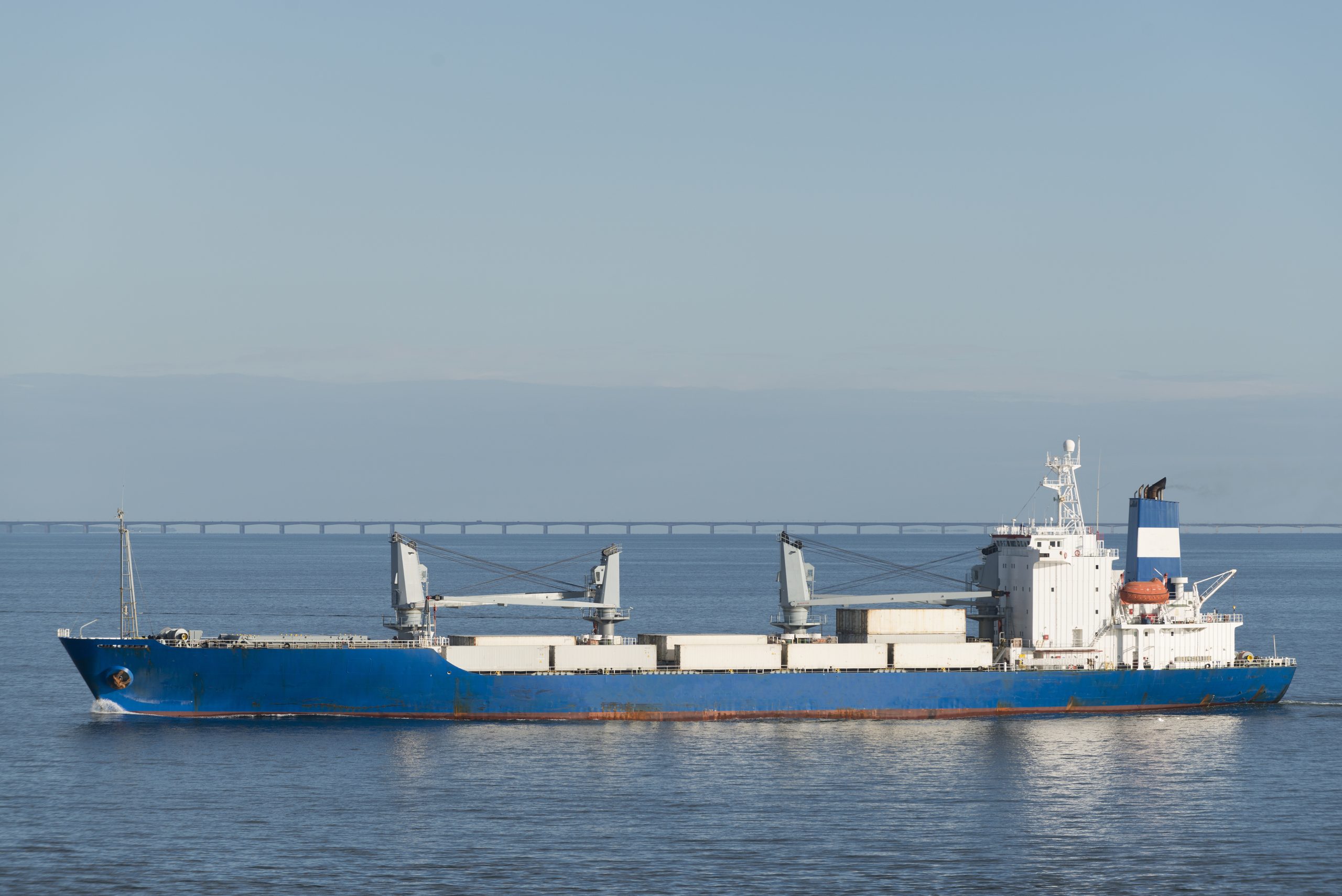
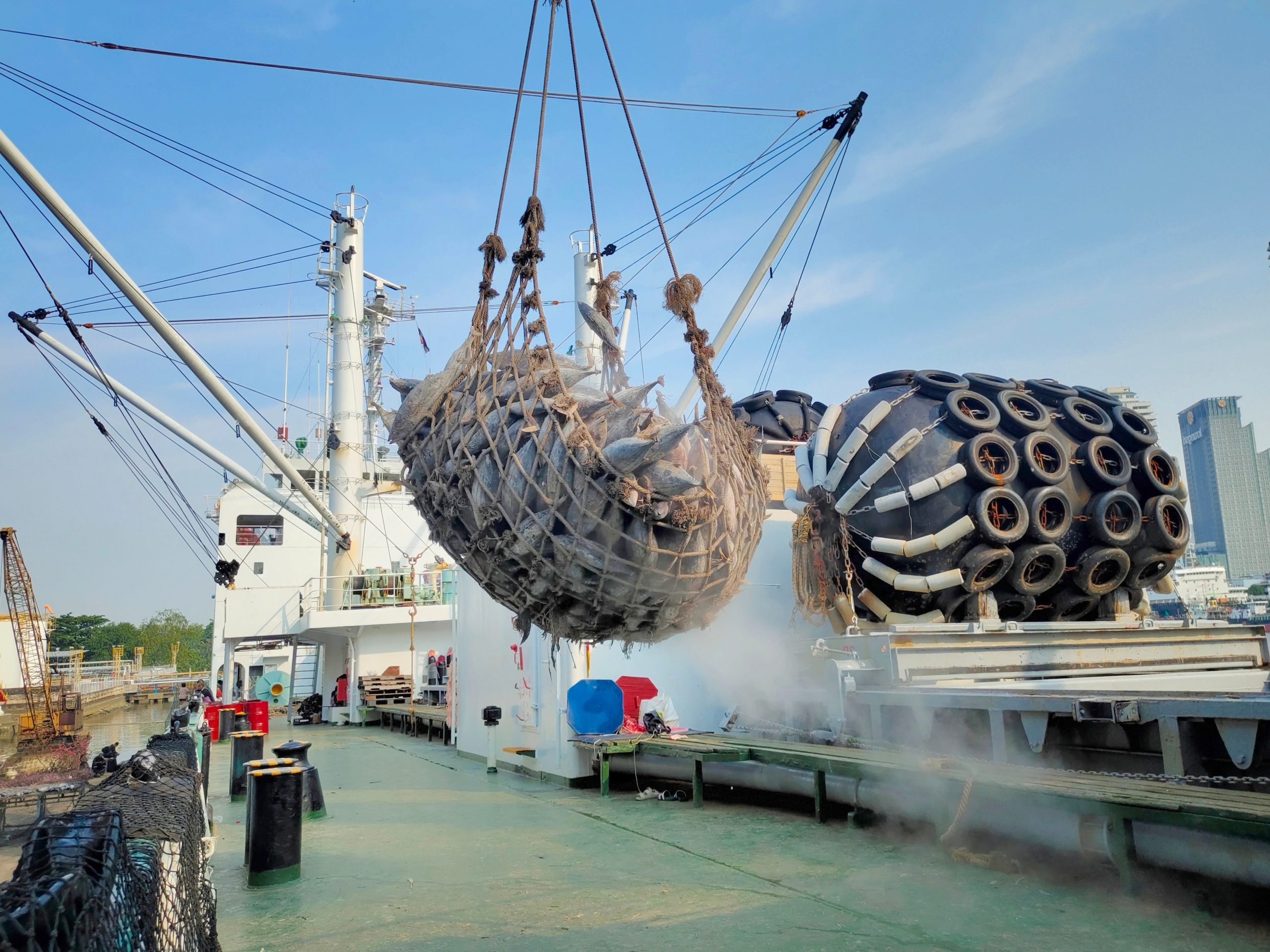
In the United States, 95% of seafood products are imported and given the possible imposition of tariffs tied to seafood and seafood related products, it is essential for U.S. aquaculture to grow. Foreign seafood products may shift sales and marketing to other countries other than the U.S. that are free of complicated tariffs and possibly more profitable. In the short run this is not good news for seafood lovers. However if U.S. aquaculture does meet the challenge it will lead to a reliable source of seafood grown at home. Efficiency in overall operations based on data collection and predictive analytics will help increase profitability while providing a reliable season to U.S. consumers in the world of sustainable aquaculture.
Inland Aquaculture
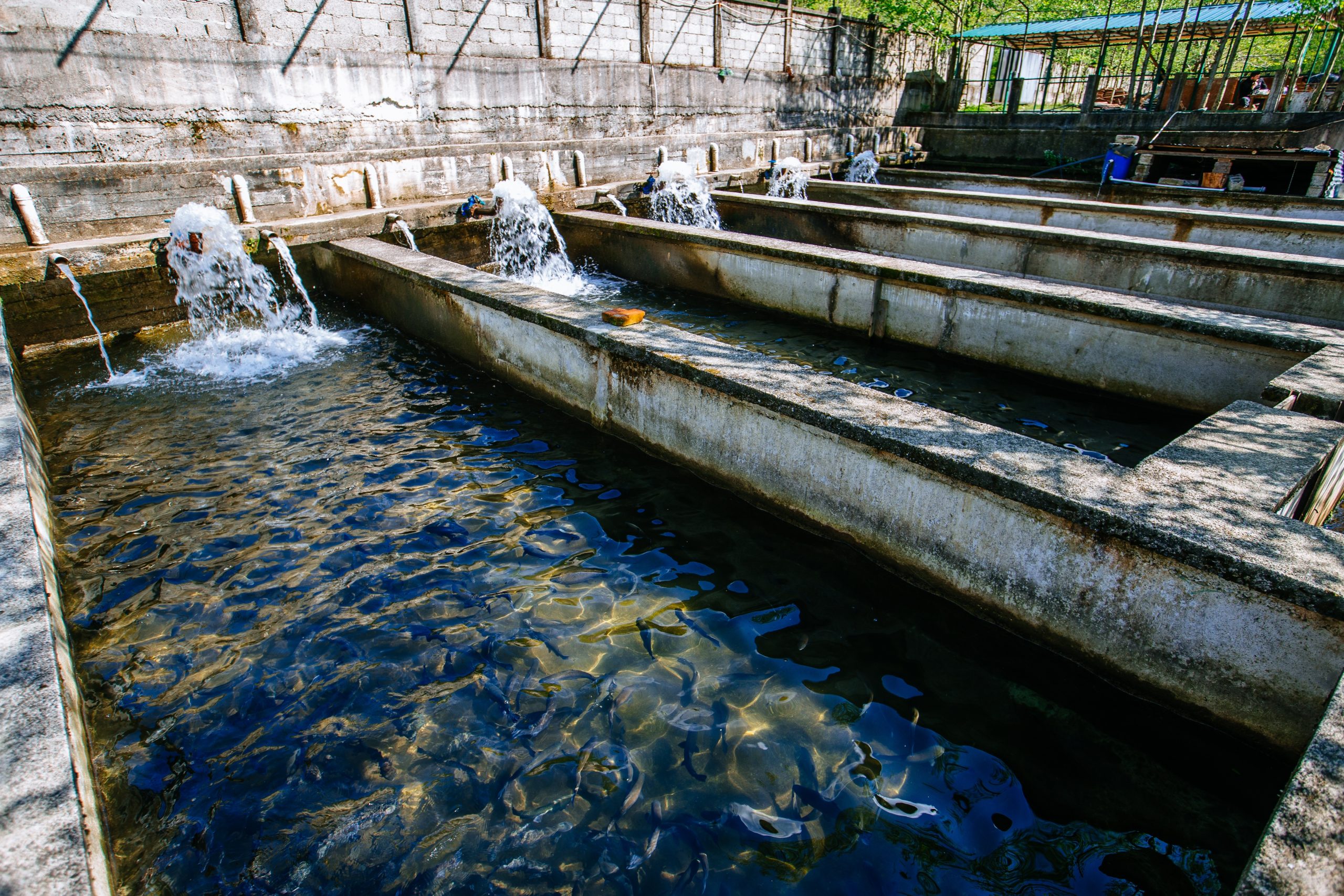
Current trends in the U.S. are showing a growth of inland-based aquaculture where permitting is less complex while allowing for better selection of favorable climates and location for distribution. Inland-based aquaculture relies heavily upon indoor RAS aquaculture that is heavily reliant upon proper data collection and understanding of the controlled environment. The impact of inland-based aquaculture extends beyond immediate production concerns. A technologically advanced and efficient aquaculture sector creates revenue and jobs in coastal communities, protects marine ecosystems, and enhances the NADP goal to enhance national seafood production.
The Critical Role of Data Analytics
In the modern aquaculture landscape, data and predictive analytics have emerged as essential and effective tools for implementing the NADP’s vision. As Tony Vaught, Aquaculture Consultant for AQUA Sightline, notes, “It is incredible to see the insights that are uncovered once a fish farmer has good data on their daily operations. It can transform nearly every aspect of the operations including overall profits.”
Advanced analytics transform aquaculture operations by enabling precise control over feed conversion ratios and maintaining optimal water quality conditions. Farmers can now predict harvest dates with greater accuracy and implement preventive maintenance programs. Perhaps most importantly, these tools allow operators to respond proactively to environmental changes, ensuring the health and productivity of their stock.
Affordable Aquaculture Artificial Intelligence: The AQUA Sightline Solution
A significant challenge in leveraging data-driven aquaculture has been ensuring accessibility for operations of all sizes. AQUA Sightline addresses this challenge by providing an intuitive, affordable platform that democratizes access to advanced analytics and Aquaculture Artificial Intelligence. The platform exemplifies how mobile technology can revolutionize fish farming practices, putting sophisticated monitoring and analysis tools directly in farmers’ hands.
The comprehensive monitoring capabilities of AQUA Sightline include real-time water quality analytics, feed optimization recommendations, and projected harvest dates. AQUA Sightline tracks crucial environmental parameters and provides instant alerts for critical changes. This integration capability ensures that farmers can leverage their existing infrastructure while gaining access to Aquaculture Artificial Intelligence that would previously have required significant investment in personnel and equipment.
Supporting Ecosystem Resilience
The adoption of tools like AQUA Sightline, aligned with NADP goals, also contributes to broader ecological and societal outcomes. When aquaculture operations embrace data-driven decision-making, they help preserve marine biodiversity and mitigate overfishing pressures. These sustainable practices reduce habitat destruction while supporting local economies through stable employment opportunities and enhanced food security.
The Path Forward
As the U.S. aquaculture industry evolves to meet growing demand and sustainability requirements, the combination of forward-thinking policies like the NADP and innovative tools like AQUA Sightline creates a powerful framework for success. This integration of policy and technology positions the industry to meet increasing seafood demand sustainably while reducing dependence on imports in sustainable aquaculture.
The impact extends beyond immediate production concerns. A technologically advanced and efficient aquaculture sector creates revenue and jobs in coastal communities, protects marine ecosystems, and enhances national food security. The industry drives innovation while maintaining a careful balance between growth and environmental stewardship.
The future of U.S. aquaculture lies in this balanced approach to growth and sustainability, supported by data-driven decision-making and accessible technology solutions. As we look ahead, the combination of clear policy direction through the NADP and powerful tools like AQUA Sightline provides a clear path toward a more sustainable and productive aquaculture industry.
Grand View Research. (2023). Aquaculture Market Size Report, 2019-2026.
AQUA Sightline is a powerful mobile app that operates even without a constant internet connection, is easy to use, and is already available in stores for Android and iOS devices.
For more information visit: https://www.sightline.com/aquaculture
Brandon Witte is the CEO of Sightline Systems, a global leader in real-time performance monitoring and analytics software. With nearly two decades at the helm of Sightline, Brandon has driven innovation across industries, recently expanding into aquaculture with the launch of AQUA Sightline.
An experienced executive with a Bachelor of Science in Management Science from Virginia Tech’s Pamplin College of Business, Brandon’s career spans expertise in enterprise software, IT strategy, and professional services.
Under Brandon’s leadership, Sightline has established a reputation for delivering actionable insights through advanced analytics, empowering businesses to optimize operations for higher profit margins and more successful day-to-day operations.